

H1: Casino Games with AI Dealers and the Mobile-First Shift
For two decades I have shipped everything from floor-based card rooms to social poker apps, and the throughline has always been the same: players tolerate novelty only when the core loop stays legible. Casino games with ai dealers follow that rule by trading the theatrical pace of a live croupier for a calmer, repeatable rhythm that fits a phone screen. I have watched social titles grab attention with flashy animations that then collapse under latency, so I judge these products by how quietly they perform when the connection dips and the queue builds. The real question is not whether a synthetic dealer can mimic a human gesture, but whether the whole session feels measured rather than manic.
H2: How the Product Is Built Around a Different Priority
Royal reels.21 [own; anchor=”royal reels.21″] sits inside a narrower lane than a full social casino, and that restraint shows up in the way the table layer is assembled. The studio positions its offering as a low-friction alternative to the crowded lobby experience, where the dealer function exists to keep the hand moving instead of to perform for the camera. I have seen land-based operators overbuild the presentation layer with looping lights and shouted callouts, only to discover that regulars prefer a table that starts on time and stays quiet. Here the AI dealer is treated more like a metronome than a host, which suits players who want a session that feels contained rather than theatrical.
The game library leans on a small set of table staples rather than a sprawling catalogue, and that choice matters more than the headline count. A compact roster reduces the cognitive load when someone opens the product during an arvo commute and just wants a steady round of blackjack or a measured spin on a side table. I have reviewed social products where the menu grew faster than the backend could support, and the result was always the same: the first impression looked generous, then the navigation started to buckle. By keeping the selection tight, the product can spend its engineering budget on responsiveness and on keeping the dealer animation smooth when the frame rate drops.
The bonus mechanics are deliberately plain, which is a choice I respect after years of watching promotional math confuse more than it converts. Instead of stacking conditional triggers, the product keeps wagering requirements visible and the payout paths short, so a player can understand the cost of a bonus before they accept it. That approach mirrors a judgment I have made on the floor: a comp that is easy to explain beats a comp that sounds generous but hides its strings. When the terms are legible, the product feels less like a maze and more like a session someone can plan around.
| Detail | What it means |
|---|---|
| Positioning | Calm, repeatable table play built for mobile sessions |
| Game mix | Small set of table staples rather than a large catalogue |
| Bonus structure | Visible wagering terms with short payout paths |
| Currency | AUD-aligned balances with clear conversion display |
| Registration | Short sign-up with identity checks before play |
| Mobile fit | Browser-first with an app option that mirrors the same layout |
| Support | In-product help with a small, reachable contact path |
| Loyalty | Simple tier progress tied to session consistency |
H2: What the Review Focus Actually Measures
The first thing I test on a product like this is whether the browser experience holds together when the screen is small and the connection is imperfect. A mobile-first table needs to keep the betting controls reachable without forcing constant scrolling, and the dealer animation should not demand more bandwidth than the average phone can spare during a busy day. I have shipped social features that looked polished on a dev device and then stuttered on a mid-tier handset, so I judge responsiveness by how the session behaves after the first minute, not by the first load. Navigation should stay predictable when someone opens a side menu and returns to the table, because a player who loses their place mid-hand is not thinking about the product as a calm alternative.
Performance is where the AI dealer concept either earns trust or reveals its limits. The dealer layer has to stay in sync with the round timer, the card or tile reveal, and the payout confirmation, without introducing a lag that makes the whole table feel artificial. I have seen iGaming products where the presentation layer was tuned for a showcase but not for repeated play, and the gap showed up the moment the queue lengthened. A well-built synthetic dealer is not trying to out-perform a human; it is trying to remove the variability that makes a session feel uneven. When the timing is steady and the feedback is immediate, the product starts to feel measured rather than experimental. royal reels.21
The payment and registration path is where the review focus becomes practical rather than theoretical. Alice Hall, Chief Financial Officer, Brighton Beach Betting Lab, puts the point cleanly: “A synthetic dealer can look convincing, but if the balance flow is uncertain the session loses its shape before the first hand is done.” That is the kind of caveat I keep front of mind when I assess how balances are displayed, how currency conversion is shown, and how quickly a deposit reflects in the playing account. Emily Patel, Payments Strategy Director, Outback Gaming Research, adds a related warning: “Friction in the payment path is the fastest way to turn a calm table into a support ticket.” The product should make the deposit, bonus opt-in, and withdrawal status easy to read without burying them under promotional copy.
The loyalty and support layer should fit the same low-drama priority as the rest of the table. A simple progression model that rewards consistency rather than chasing big single sessions keeps the product aligned with the people who want a contained session instead of a spectacle. Support should be reachable without making the player hunt through a maze of links, and the help content should speak in practical terms about balances, rounds, and verification rather than marketing language. I have seen loyalty systems that felt generous on paper but were hard to read in practice, and the mismatch usually showed up as frustration rather than engagement.
H2: Who This Fits and Why It May Not
This kind of product tends to suit players who want a table session that feels contained and does not demand a lot of attention to navigate. If someone is looking for a short, steady round on a phone, with controls that stay where they expect them and a dealer rhythm that does not swing wildly from round to round, the model has a clear appeal. The smaller library also helps the player who already knows what they want and does not want to wade through a long menu to find it. For a session built around repetition and predictability, the calmer presentation can feel like a better fit than a busier lobby.
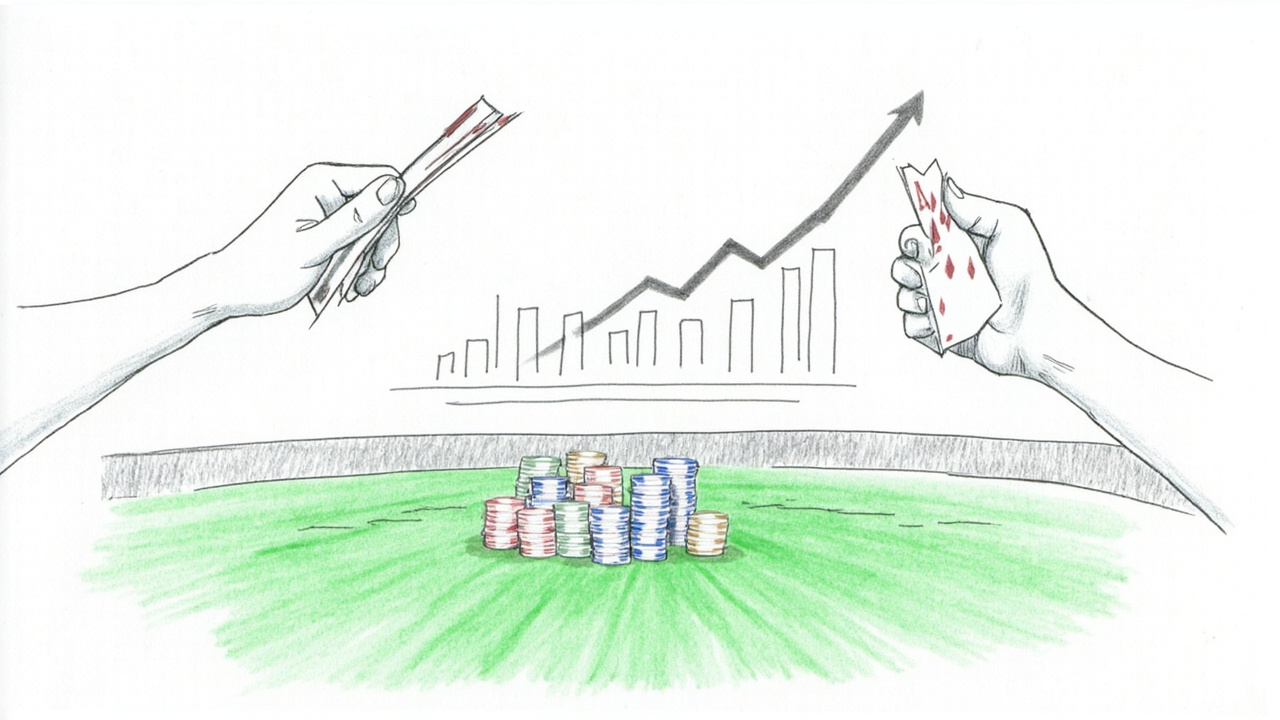
The fit is less obvious for players who want variety, social noise, or a more theatrical table experience. A product that deliberately keeps the selection tight and the presentation quiet will not satisfy someone who treats the lobby as part of the entertainment. I have worked on social products where the energy came from the crowd as much as the game, and removing that layer changes the feel more than the marketing sometimes admits. Someone who wants a high-rolling style of play with lavish perks may also find the plain bonus structure too restrained, because the product is not trying to compete on spectacle or on the kind of comp culture that surrounds a high roller in a larger venue.
There is also a cultural detail worth noting for players who care about symbol and number traditions. The number eight is prized in Chinese gambling for sounding like wealth, and a product that wants to feel broadly comfortable should handle those preferences without turning them into a gimmick. That means the table layer should respect the rhythm players bring with them, whether they are chasing a familiar pattern or simply want the round to feel balanced. A calm dealer model can accommodate that if it stays consistent, but it should not pretend that a synthetic presence can replace the meaning players attach to the symbols and numbers they already trust.
What this means for Australians is fairly direct. The product is best read as a mobile-first table option for sessions that need to stay short, legible, and easy to resume, not as a replacement for the social energy of a crowded lobby. Players should expect browser-first play that also has an app path, with balances shown in a way that makes the cost of a bonus obvious before they opt in. Identity checks and geo requirements still apply, and the product should not be treated as an offshore shortcut that sidesteps local rules. If the session feels steady on a phone, the payments are easy to read, and the support path is reachable, the model has a practical place for people who want a quieter table rhythm rather than a spectacle.
The calmer priority is what makes casino games with ai dealers worth a proper look, because the value is in the session shape rather than in any promise of a bigger win. I have spent enough time on both sides of the screen to know that a product earns its place when it stays readable under pressure and does not ask the player to work for basic clarity. For Australian players who want a contained mobile table session, that steadiness is the real selling point, and it is also the standard worth holding the product to.